MediPlanner
Your Time, Your Schedule, Simplified

Overview
MediPlanner is a mobile app designed to simplify the way patients schedule, manage, and attend medical appointments. The project addresses common frustrations with traditional healthcare booking systems by providing a seamless experience for finding doctors, booking appointments, receiving reminders, and accessing telemedicine services.
Role: UX Designer
Team: 2 UX Designers
Duration: 10 Weeks | 2025
Tools: Pen & Paper, Adobe Photoshop, Figma


The Problem
Patients face frustration when booking healthcare appointments due to limited availability, insurance complications, long wait times, and unintuitive apps. Combined with busy schedules and ineffective reminders, these challenges often result in missed appointments and delayed care.
The Solution
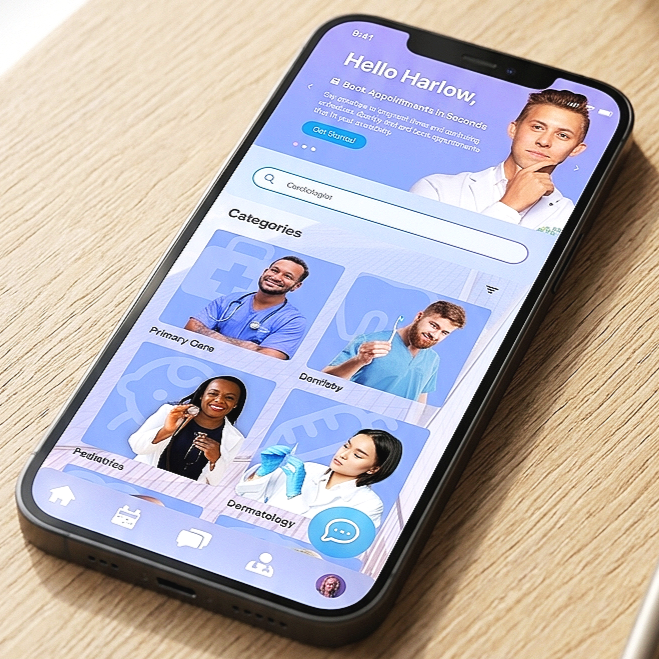
MediPlanner simplifies appointment scheduling with an intuitive booking experience, personalized reminders, and flexible scheduling tools that help users stay organized and never miss important healthcare appointments.
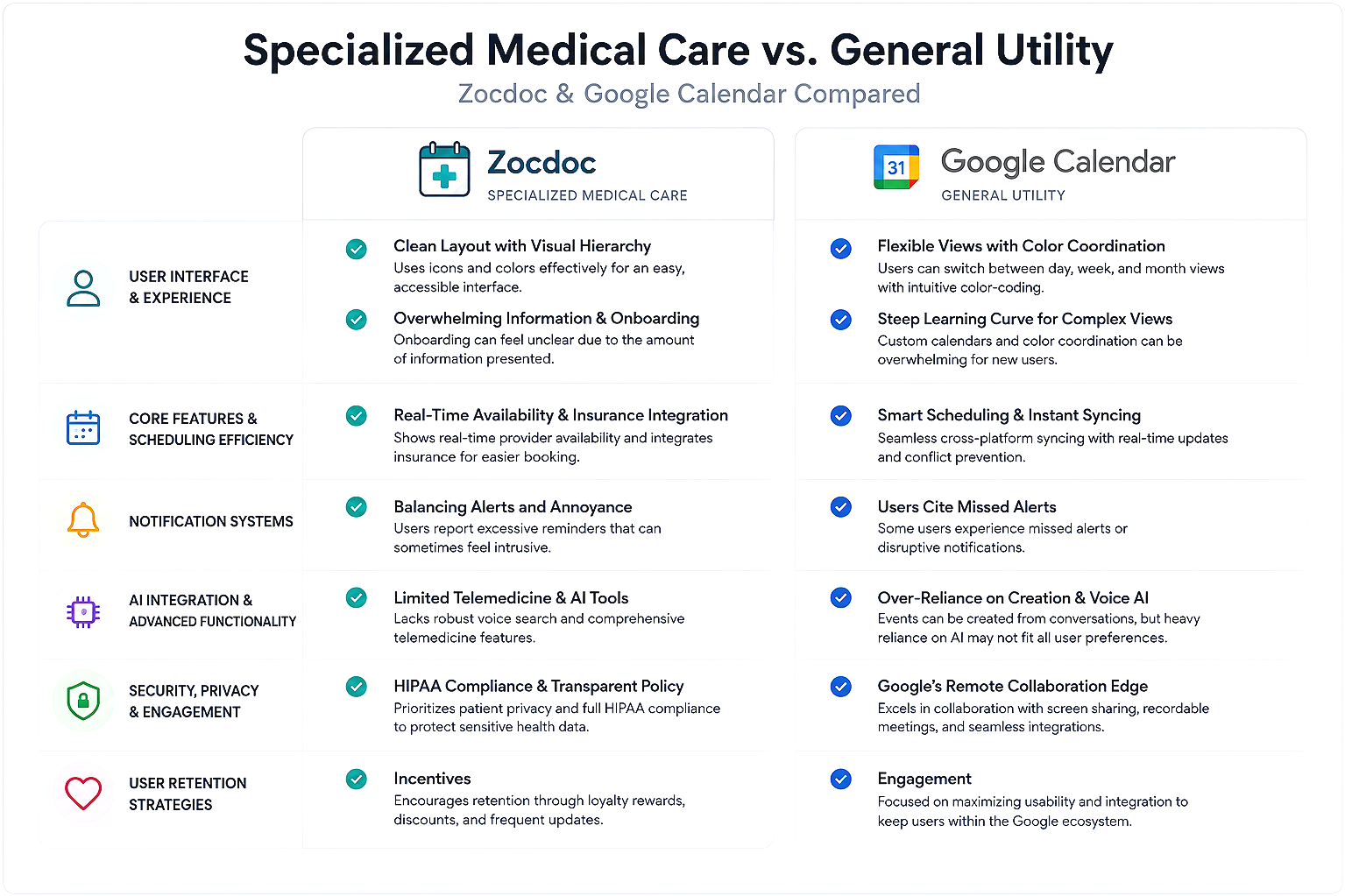
Competitive Analysis
UX Research Synthesis
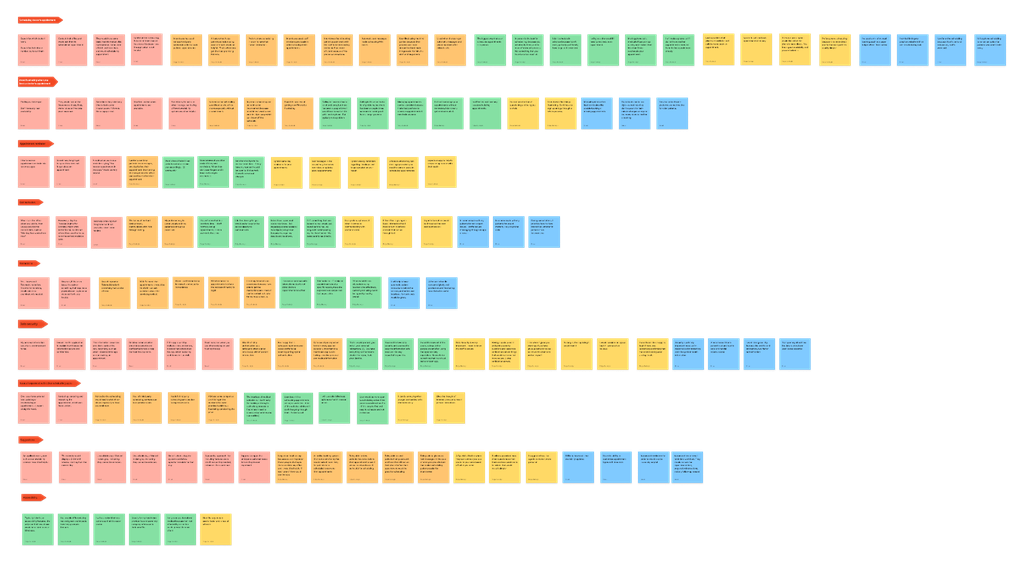
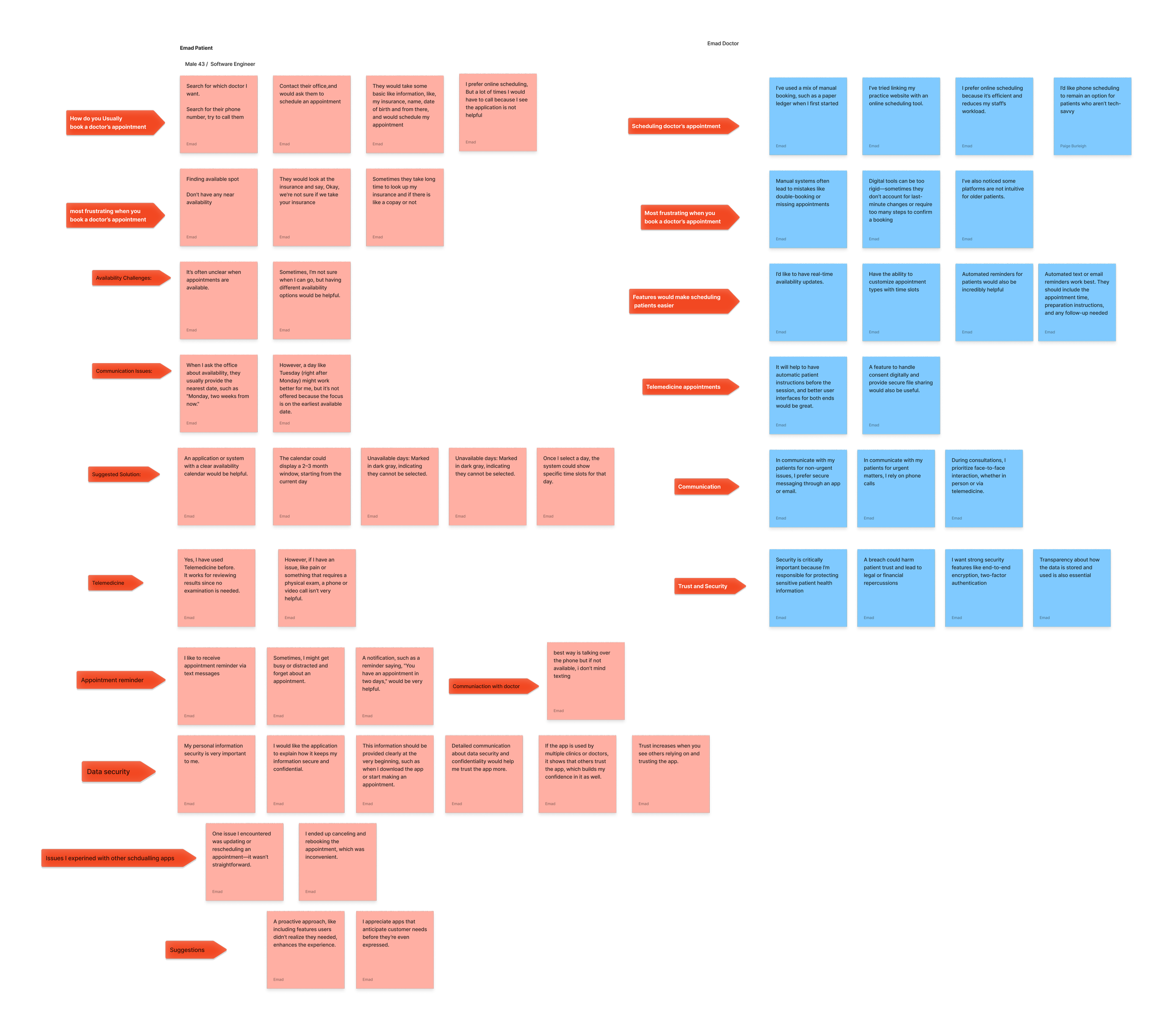
USER INTERVIEWS
↓
Affinity Mapping
↓
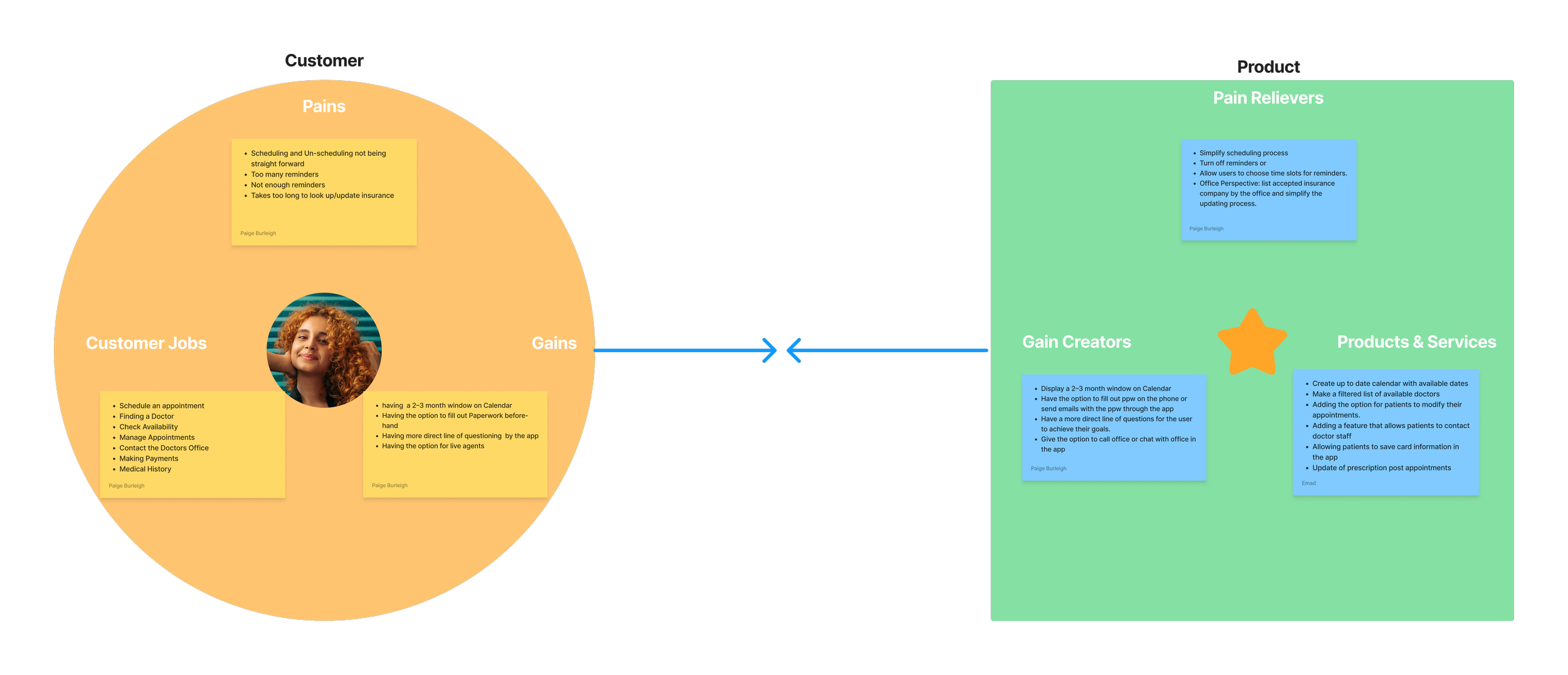
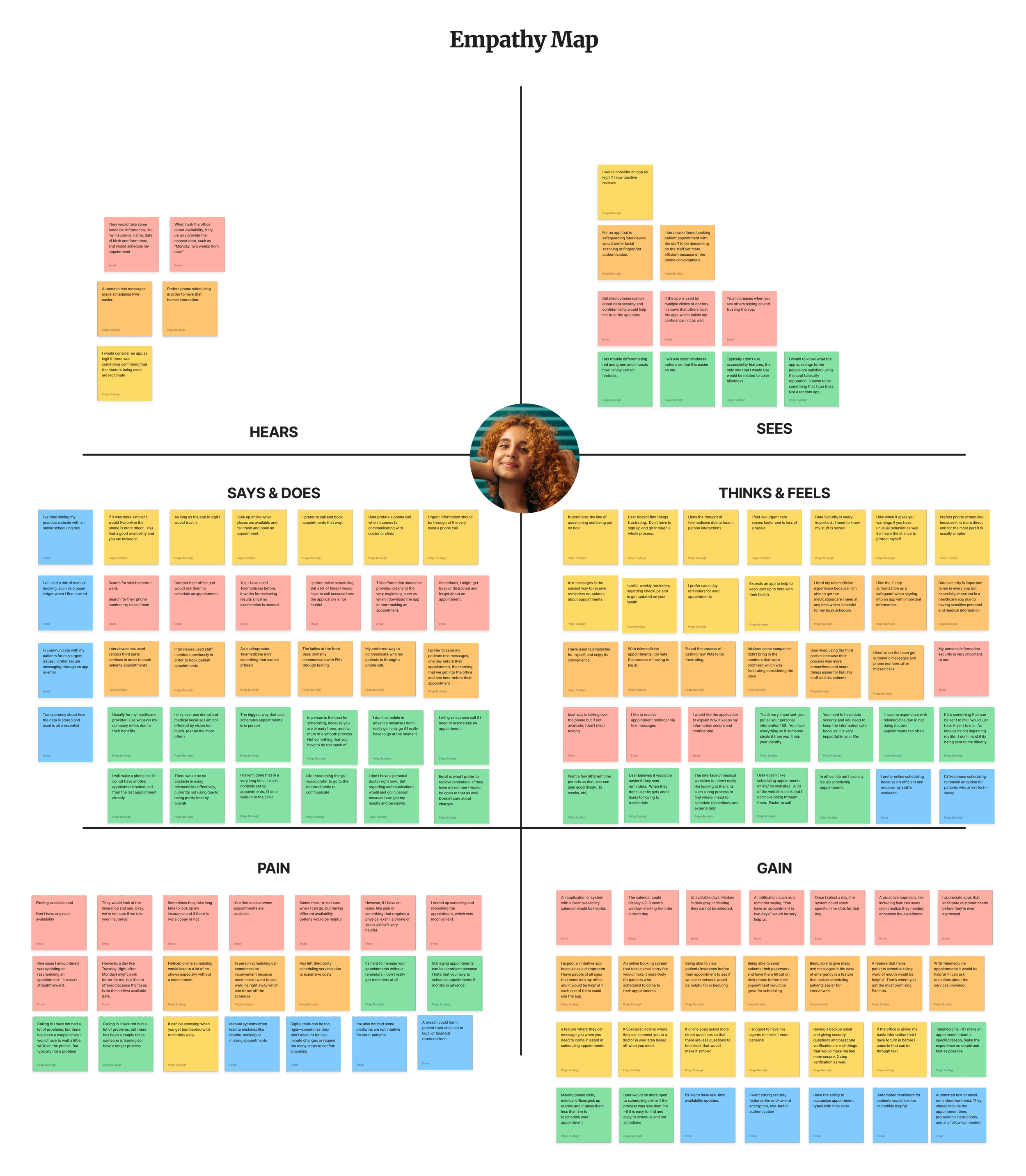
Empathy Map
↓
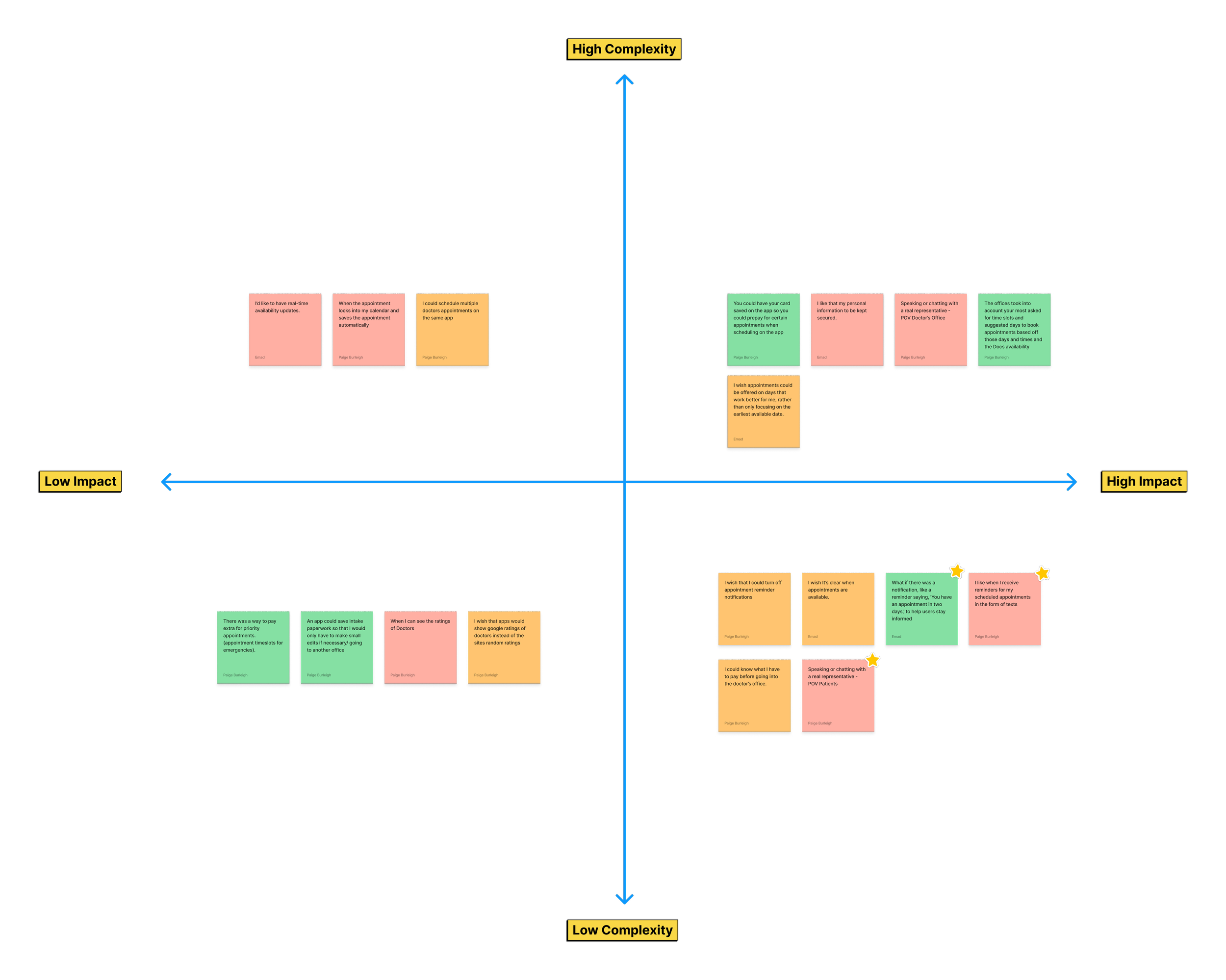
User Needs
↓
Pain Points
↓
Value Proposition
↓
Design Decisions
Turning user interviews into actionable product insights through empathy mapping, affinity analysis, and value proposition design.
Research revealed that patients struggle with complicated scheduling, limited appointment visibility, poor communication, and uncertainty about provider availability.
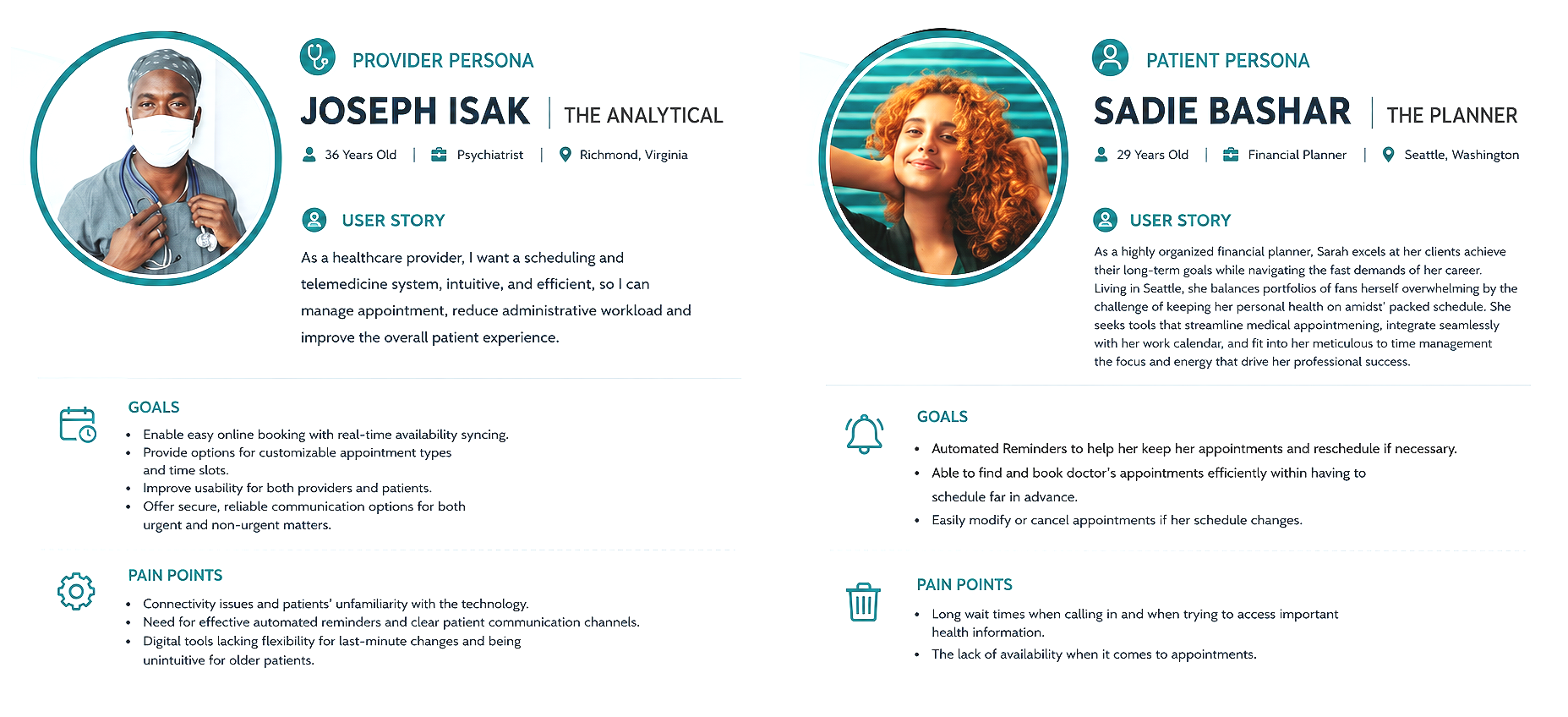
These findings directly informed the personas, user scenarios, and design decisions that followed.
User Personas
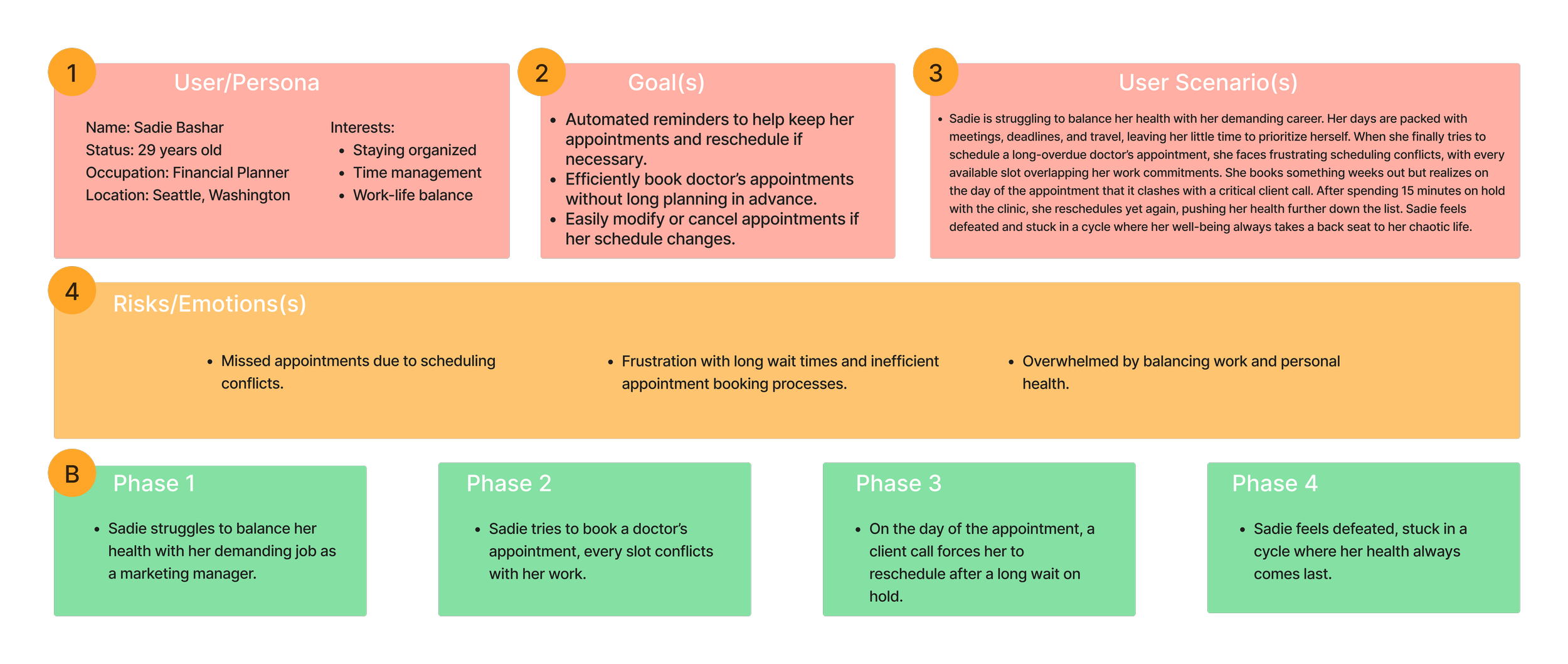
User Scenario
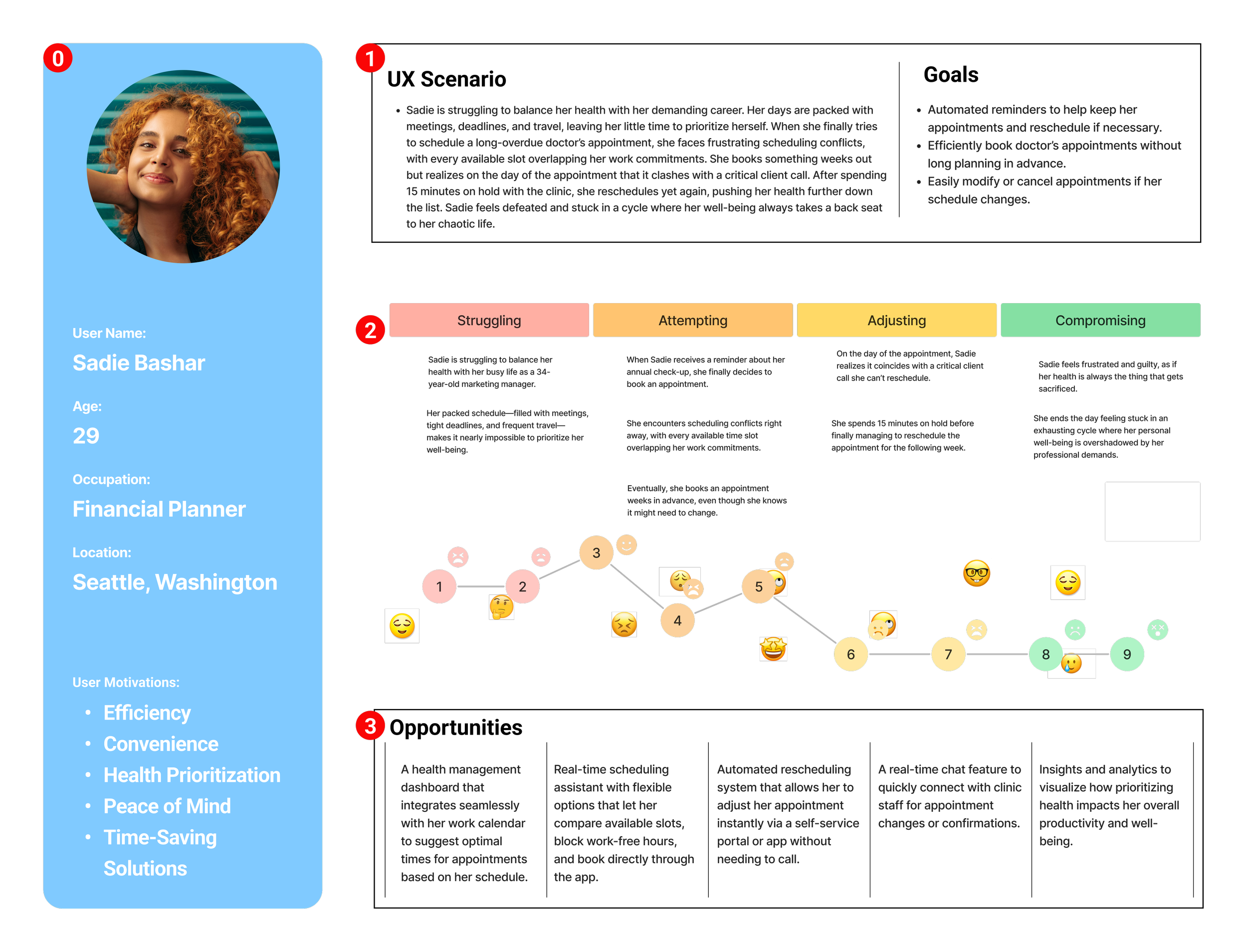
User Journey
User Flow

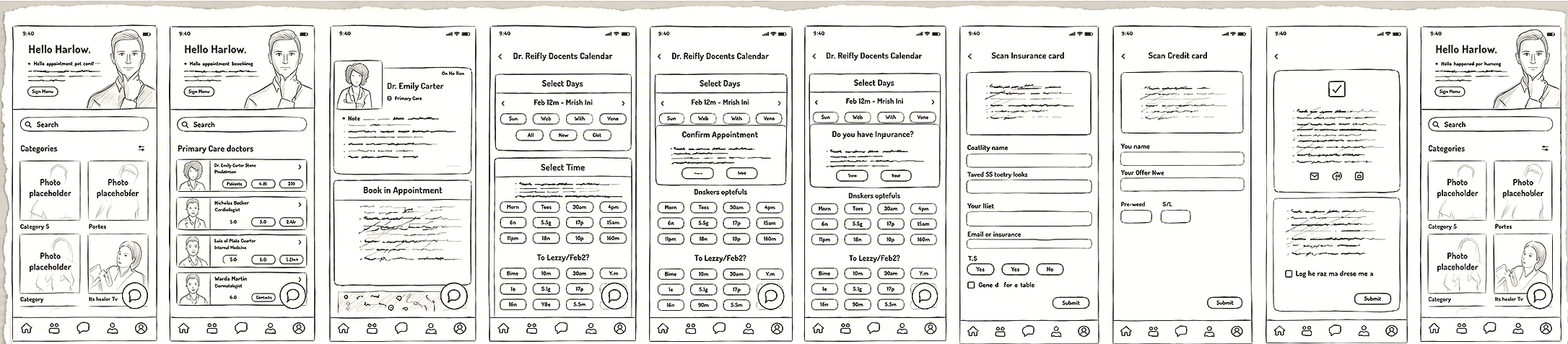
Low-Fidelity Wireframes
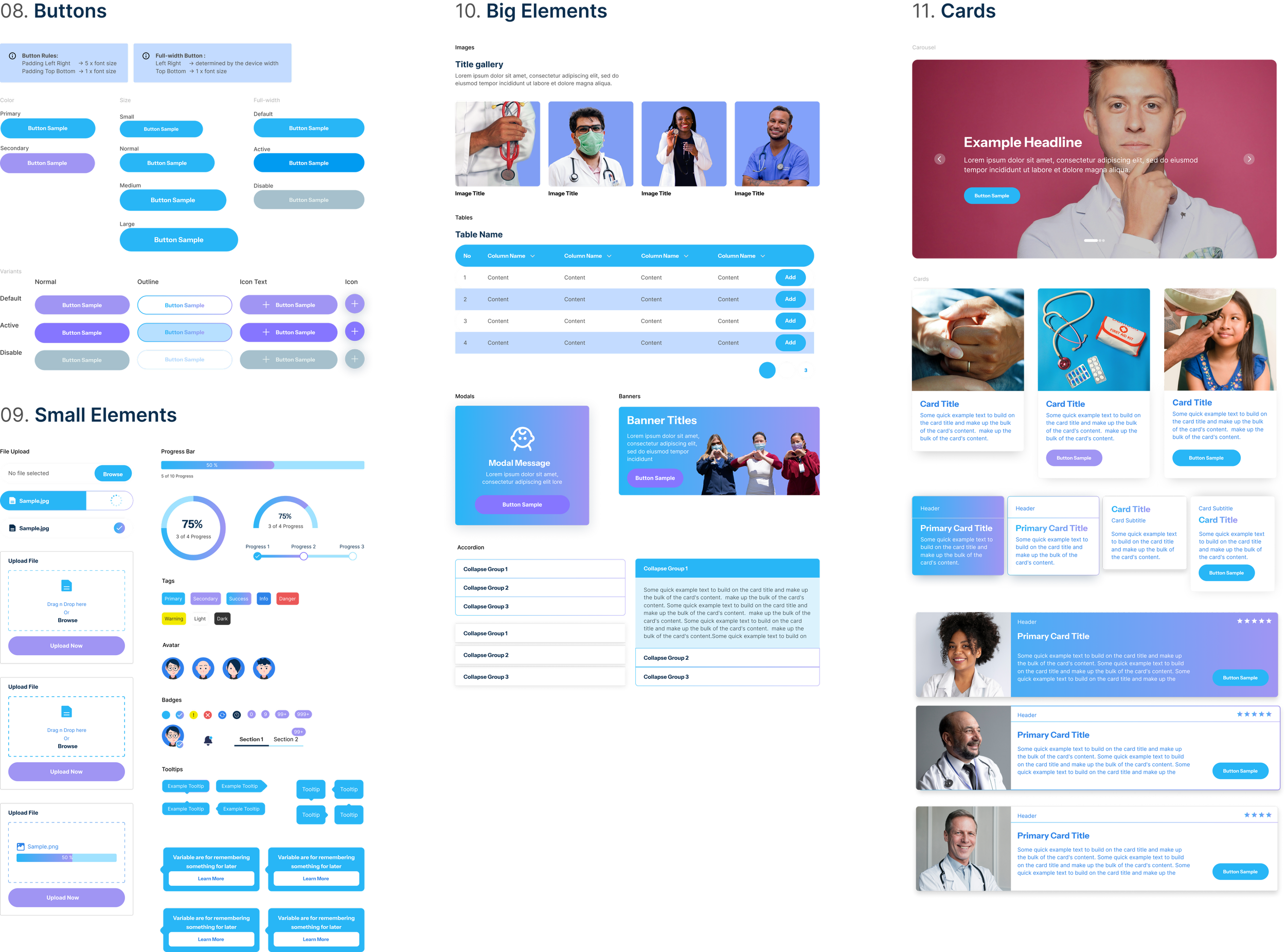
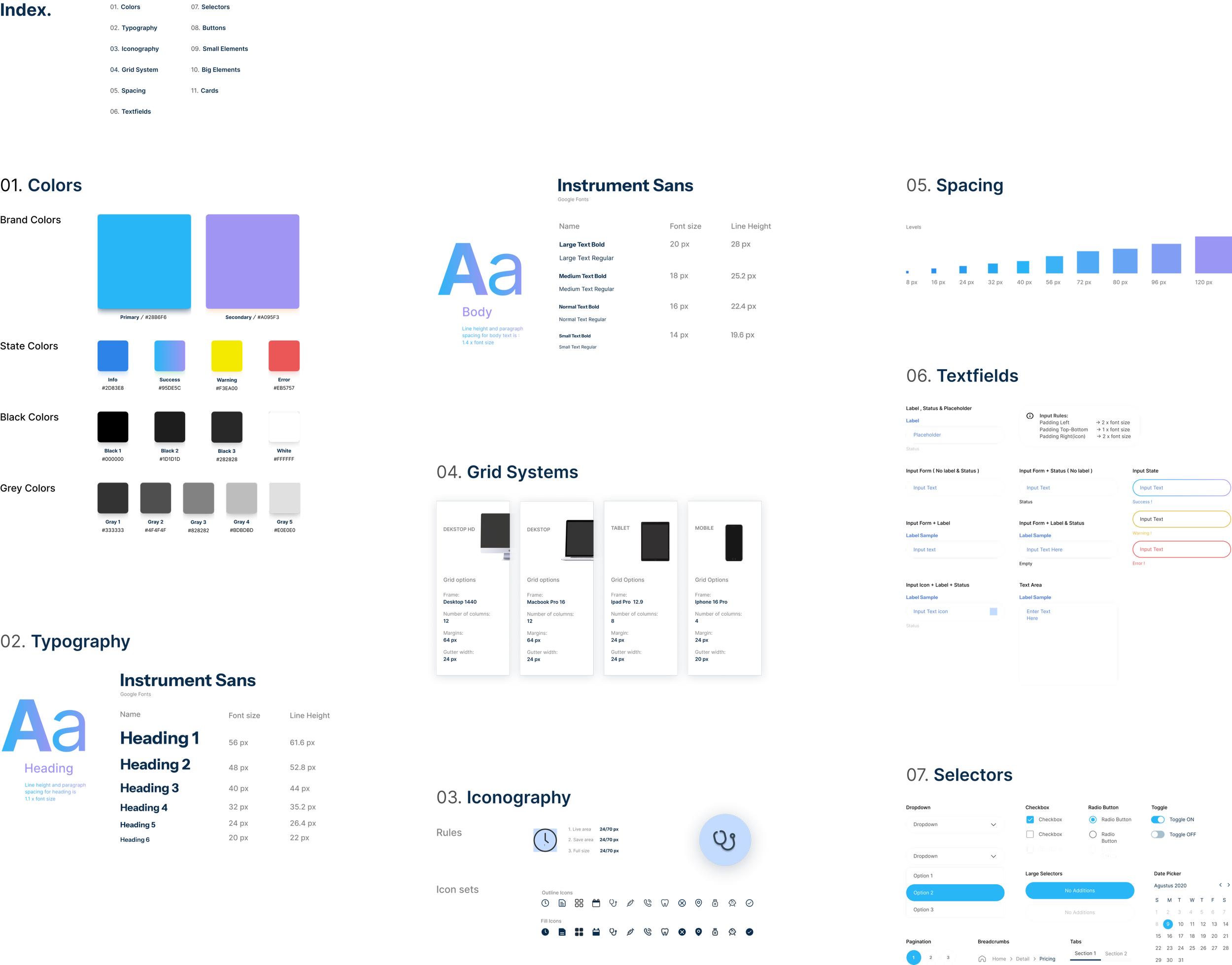
Style Guide
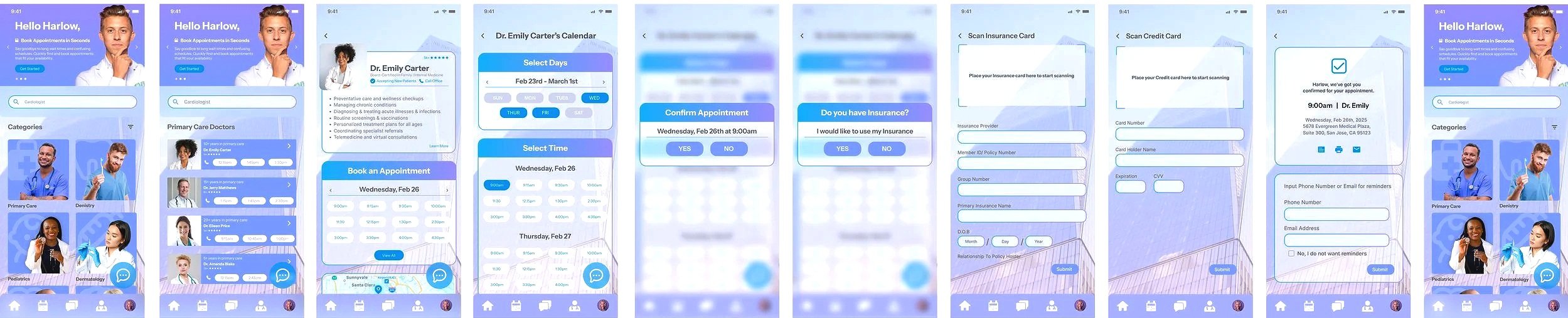
High-Fidelity Wireframes